
Du Family Old Residence
Press Contact
SISU News Center, Office of Communications and Public Affairs
Tel : +86 (21) 3537 2378
Email : news@shisu.edu.cn
Address :550 Dalian Road (W), Shanghai 200083, China
Further Reading
CPC100 - The Marvels of Songjiang’s Old Cangcheng
22 February 2021 | By Wei Wencong | Songjiang News
-
-
Du Family Old Residence
-
Songjiang Cloth Art Gallery
-
Songjiang Cloth Art Gallery
-
Xu’s Pawnshop
-
Yiyun Pavillion
-
Zhang’s Grain Store
|
C |
angcheng is an ancient town full of old houses in Songjiang district with a rich Ming and Qing dynasty history.
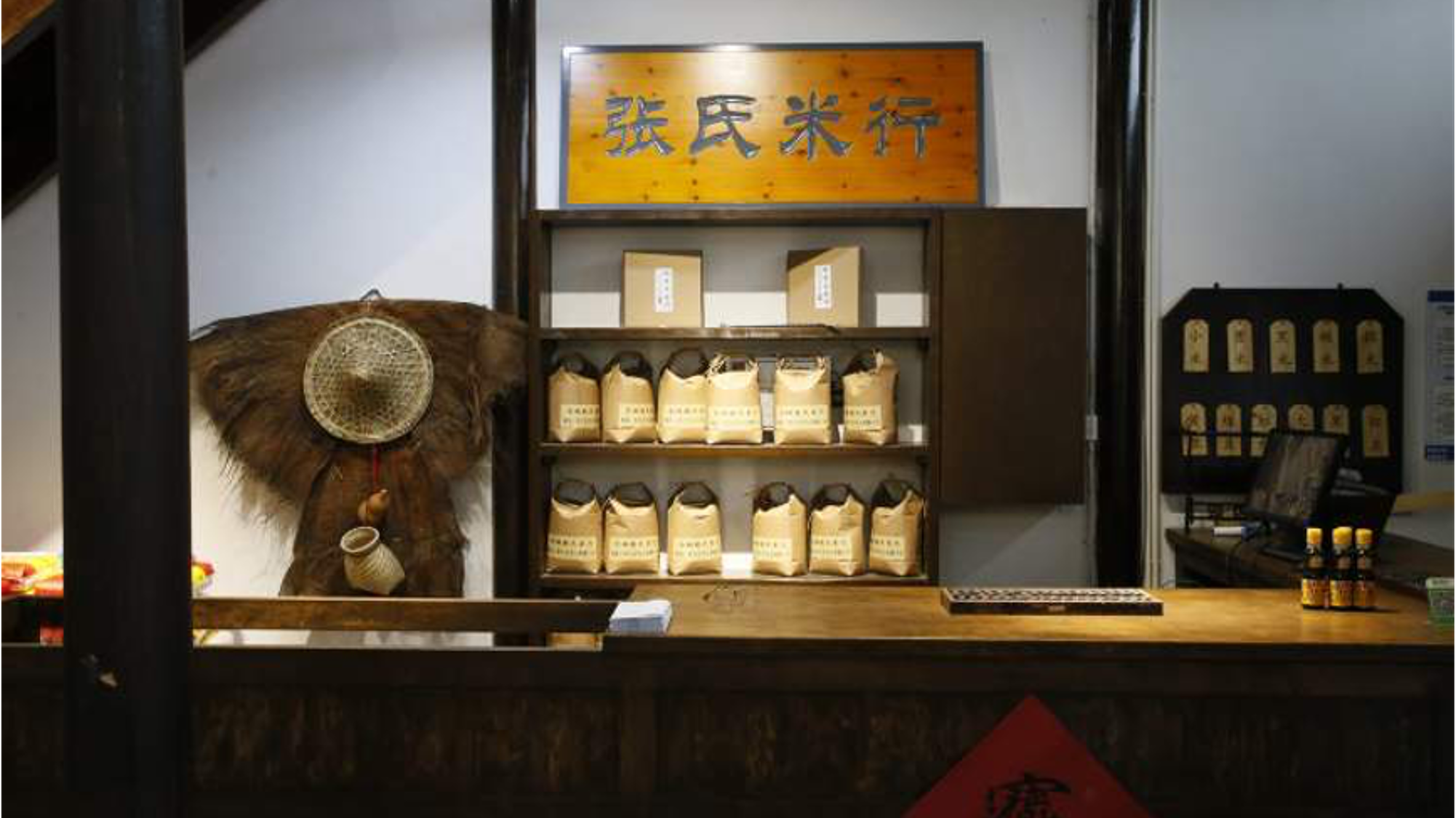
In ancient times, Songjiang rice was transported via the Songjiang River and the Grand Canal to the country’s capital and Cangcheng was the largest grain storage depot. It was the rice industry that brought prosperity to Cangcheng and its merchants. Built during China’s Republican period, Zhang’s Grain Store was built in traditional Jiangnan residential style. Recently renovated, the store has been reopened to the public.
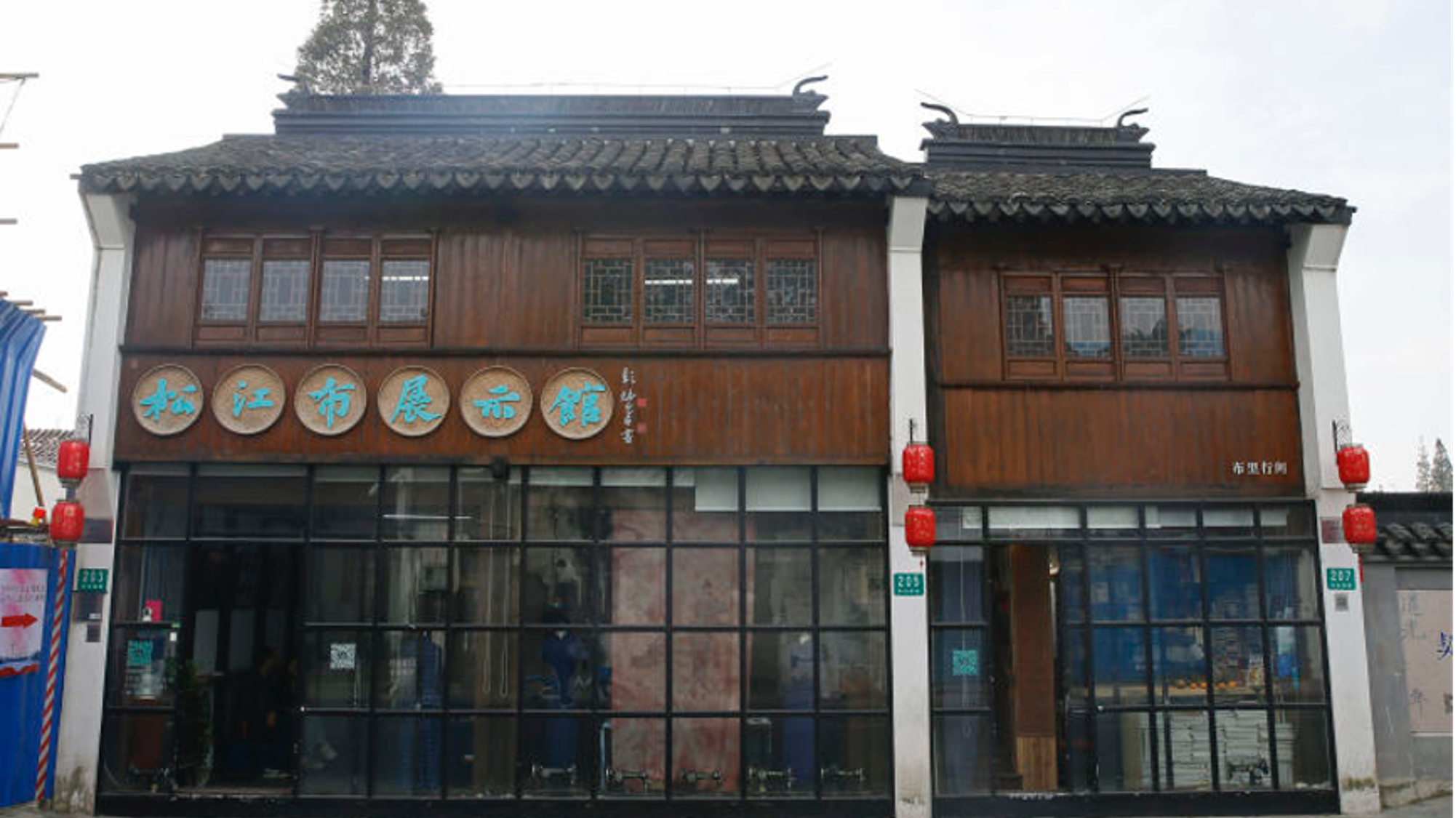
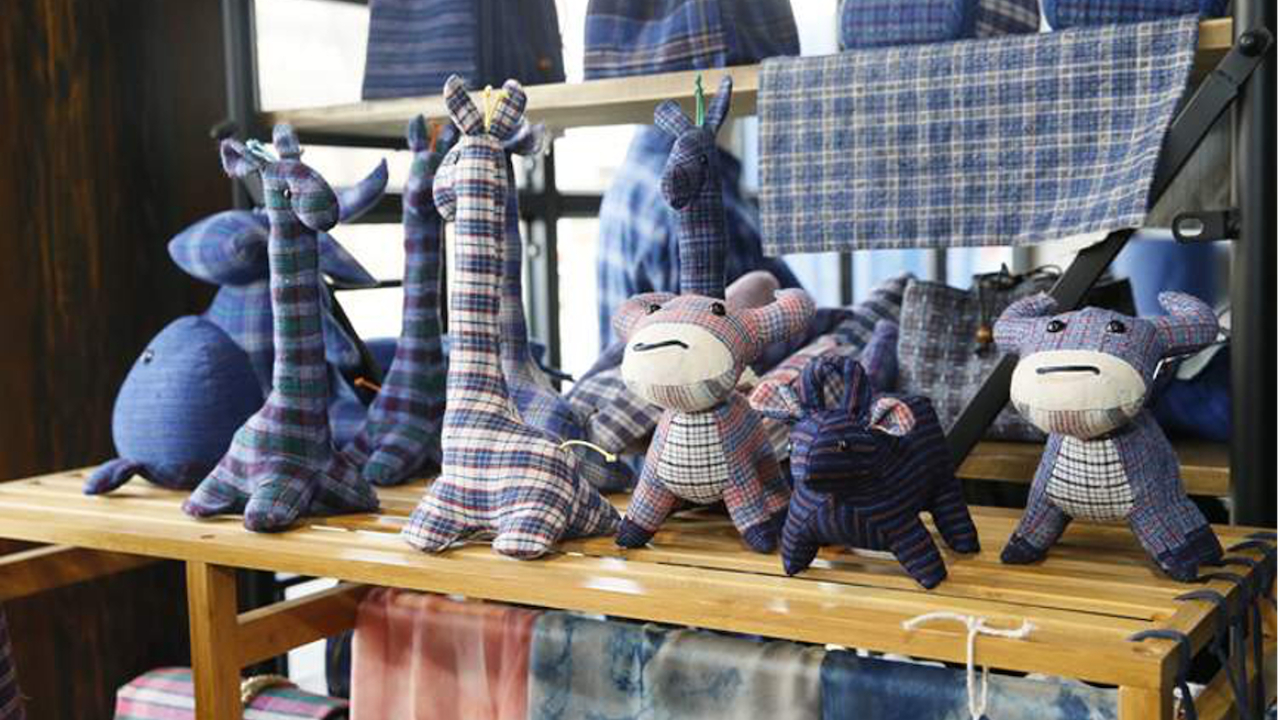
The center of the nation’s cotton textile industry during the Yuan dynasty, Songjiang was dubbed the “world’s clothing factory”. The Songjiang Cloth Art Gallery is housed in a two-storey Qing dynasty building, whose original features have been preserved. The museum exhibits pictures and cloth samples as well as a host of other articles. Modern and contemporary weaving tools, blue printed fabric, weaving machines, dowry boxes and the like take visitors back in time, recalling a lost city life in Songjiang’s long history.
Xu's pawnshop was built in the middle and late Qing Dynasty. The entrance hall faces the street; inside the building are the pawnshop, warehouse and residential quarters. The building has a gabbled roof (a double slope roof traditional in Chinese architecture) and a low three-stepped gable wall. From the first year of Tongzhi in the Qing Dynasty (1862) to the eve of liberation, a total of 29 pawn shops were opened in Songjiang, and Xu’s was one of them. Walking into Xu's pawnshop, the big "Dang" character seems to connect past and present. The beautifully-preserved shop, which sits on its original site, is spacious, with high walls.
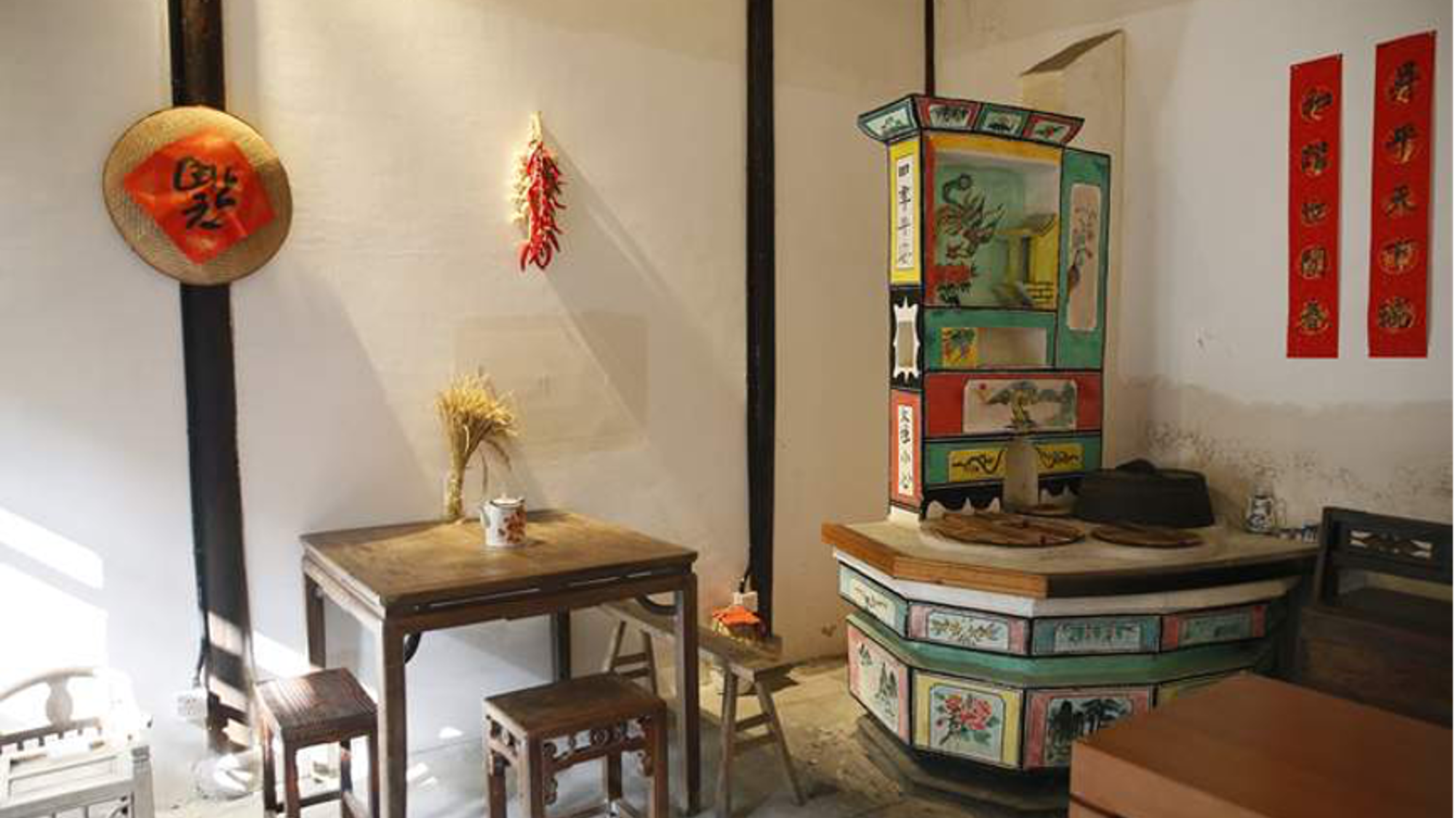
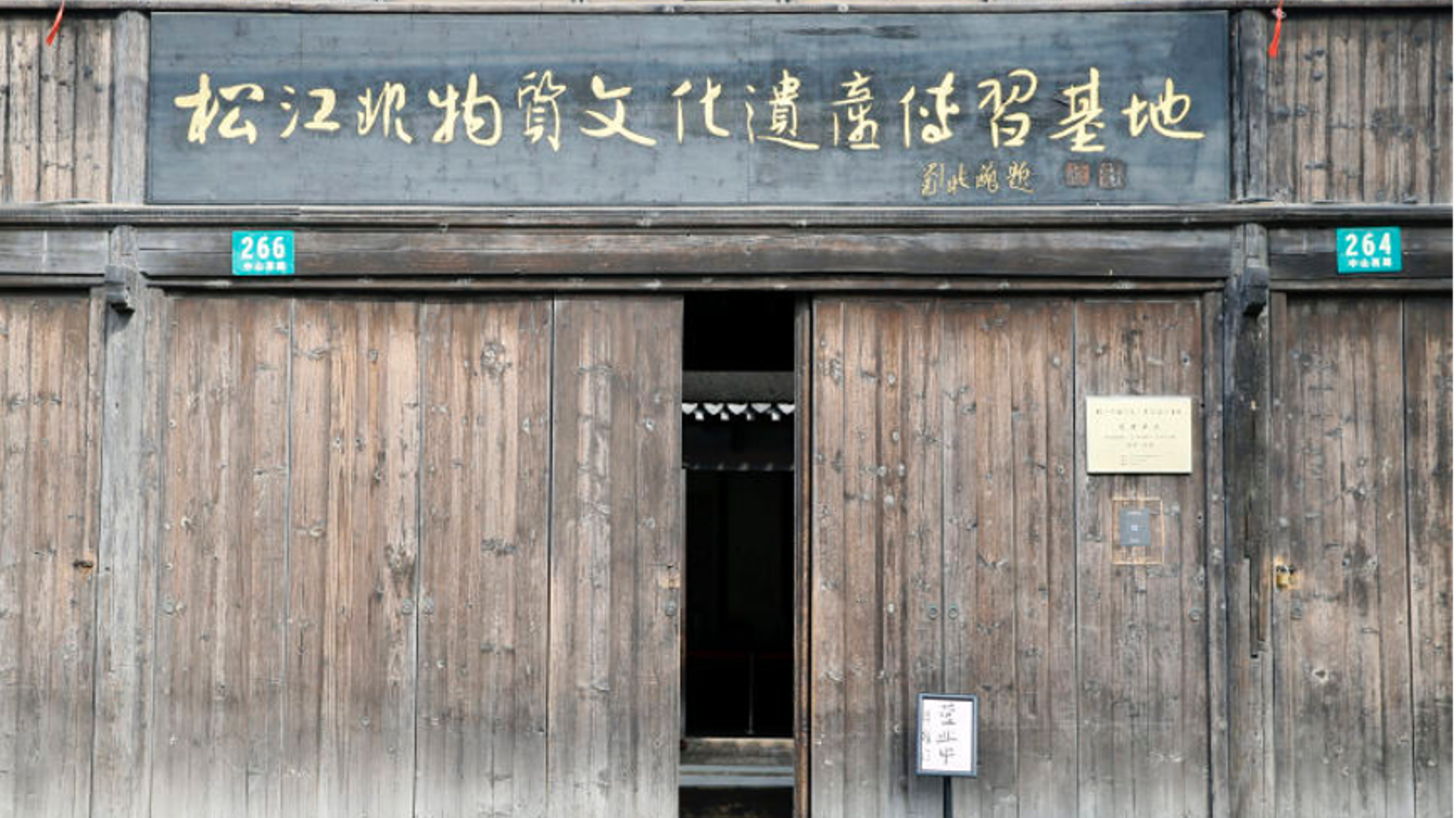
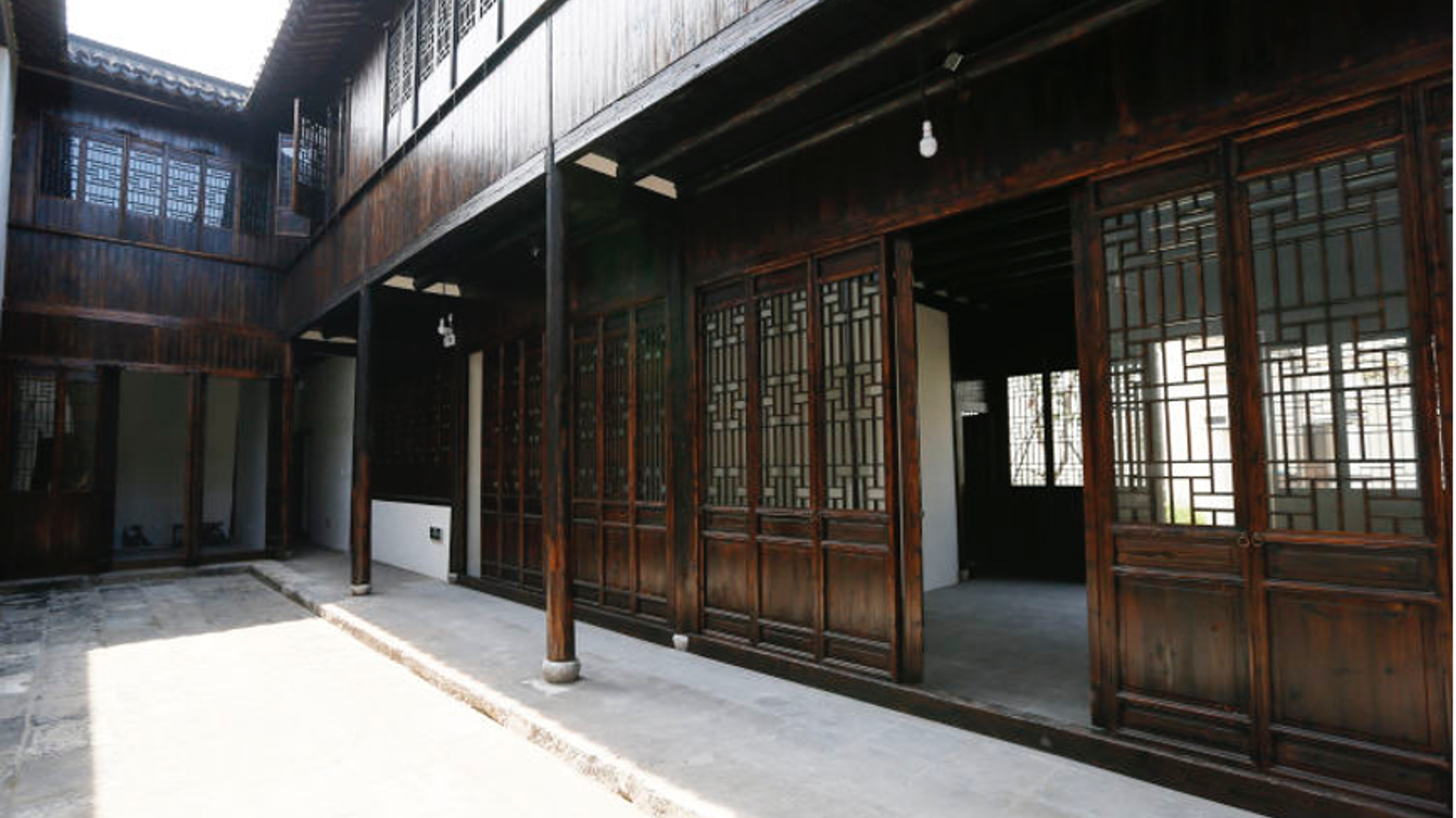
The Du Family Residence on Zhongshan West Road is where a local gentleman called Du Lingmei once lived. Built during the Jiaqing period of the Qing Dynasty, it is a two-storey courtyard-style Huizhou architectural complex from the Ming and Qing dynasty with three different entrances and, quite simply, an architectural jewel. The structural style and woodwork are of great artistic and research value, while the luxurious and splendid third entrance encapsulates the essence of the building: the beams, columns, doors and windows are carved with fine Chinese and Western patterns. A traditional Zoumalou (a cloister-style wooden building complex with an elevated winding corridor) that integrates Chinese and Western architectural decoration, the style of Du’s Family Residence reflects the absorption of foreign cultures.
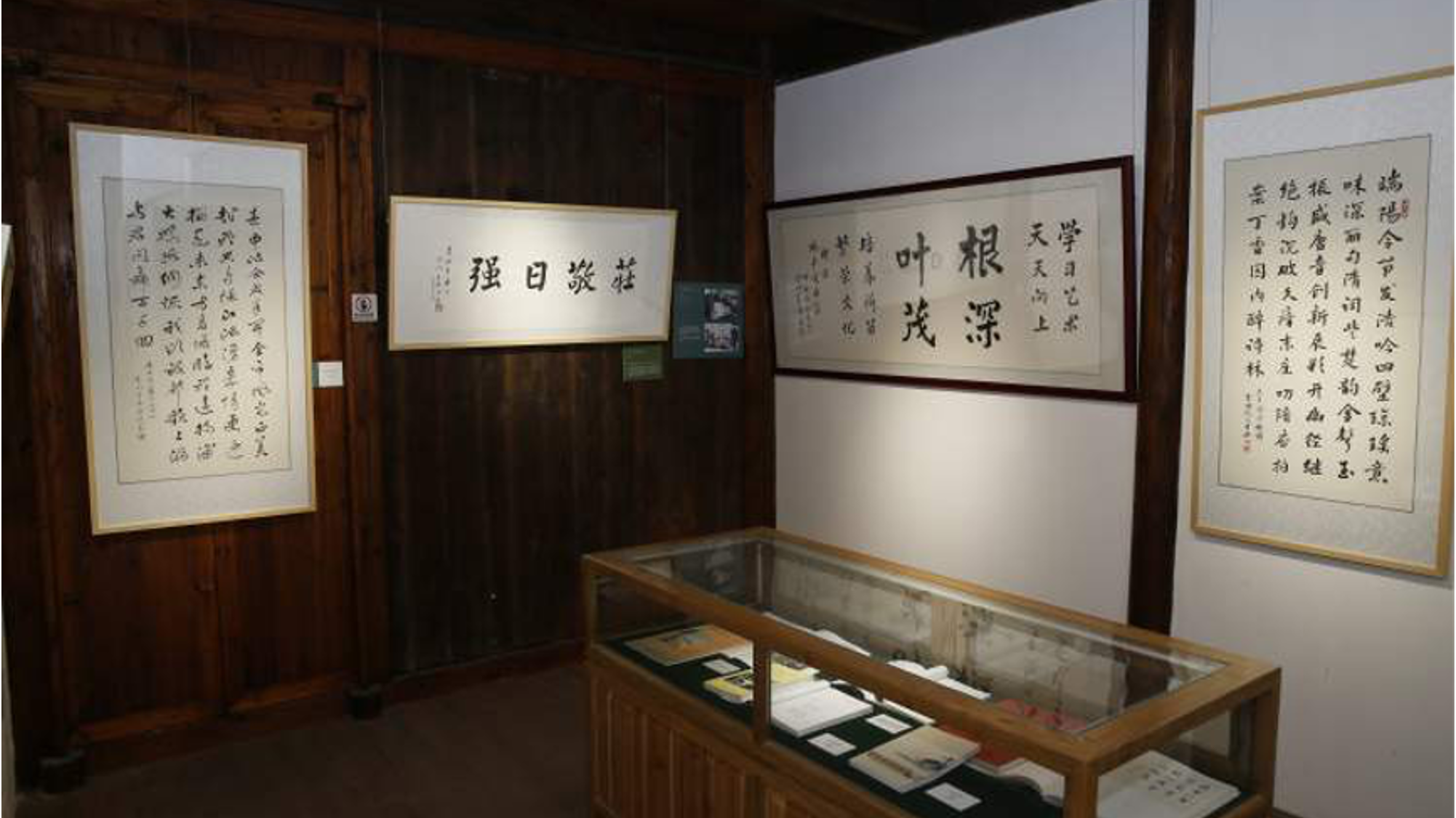
Located at No. 136-138 West Zhongshan Road, Wang's House covers an area of 1200 square meters. Originally the homestead of Zhu Yushi in the Ming Dynasty, it was passed on by turns to Gu, Lu and Wang. Before the Anti-Japanese War, Wang Ziyi bought the house. In 1937, the front gate was renovated and a new front hall was built. Therefore, Wang’s House is also referred to as Wang Ziyi’s House. Wang Shangde, the eldest son of Wang Ziyi, drafted a plaque that reads "Zhuang Jing Ri Qiang", which means "a solemn, prudent and rigorous attitude is required to achieve progress and self-improvement". Renovation and preservation of Wang’s House didn’t start until the end of 2018 but the original style has been preserved, complete with solemn courtyard and old, mottled walls. Wang's residence has now been "transformed" into Yiyun Pavilion, creating an artistic activity space for citizens.
Press Contact
SISU News Center, Office of Communications and Public Affairs
Tel : +86 (21) 3537 2378
Email : news@shisu.edu.cn
Address :550 Dalian Road (W), Shanghai 200083, China
