
Professor Hu Menghao, 1927-2015
Hu, a well-knworn educator and the former president of SISU ended his life of 88 years in Shanghai Huadong Hospital on September 1st, 2015.
SISU News Center, Office of Communications and Public Affairs
Tel : +86 (21) 3537 2378
Email : news@shisu.edu.cn
Address :550 Dalian Road (W), Shanghai 200083, China
14 September 2015 | By Tan Rui, Zhou Yaojie and Gu Yiqing | SISU
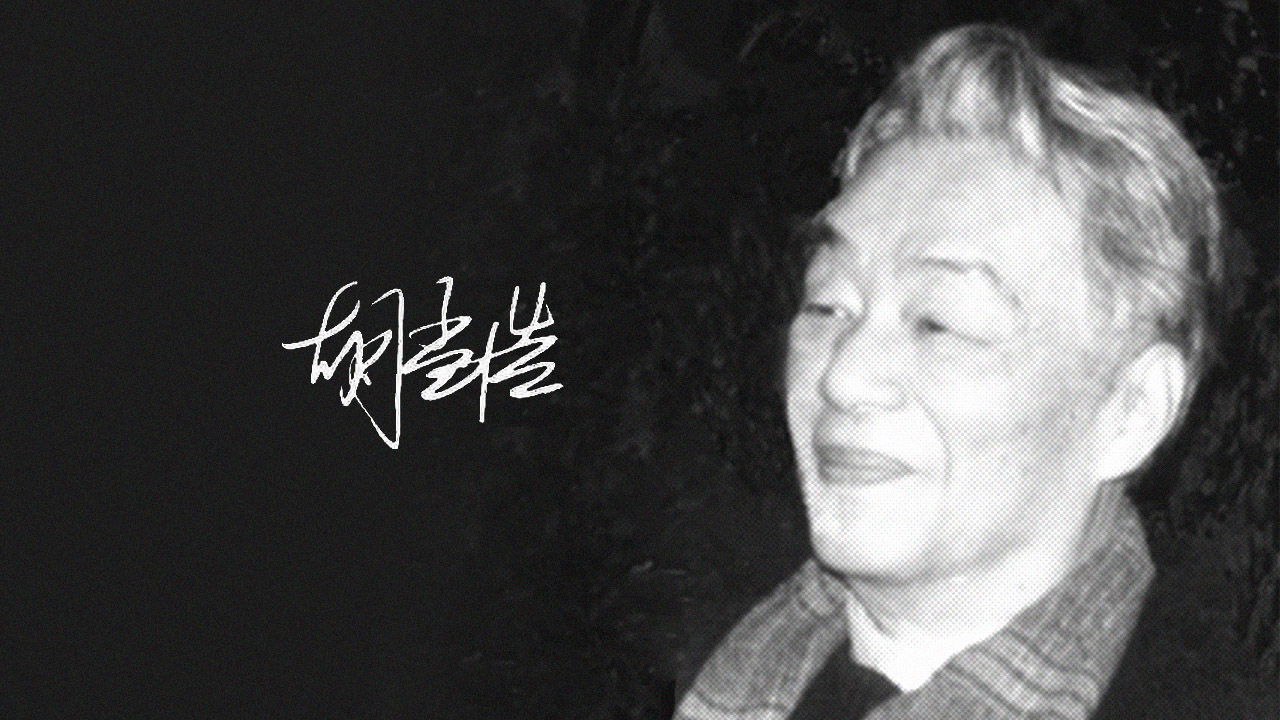
Professor Hu Menghao, 1927-2015
Hu, a well-knworn educator and the former president of SISU ended his life of 88 years in Shanghai Huadong Hospital on September 1st, 2015.
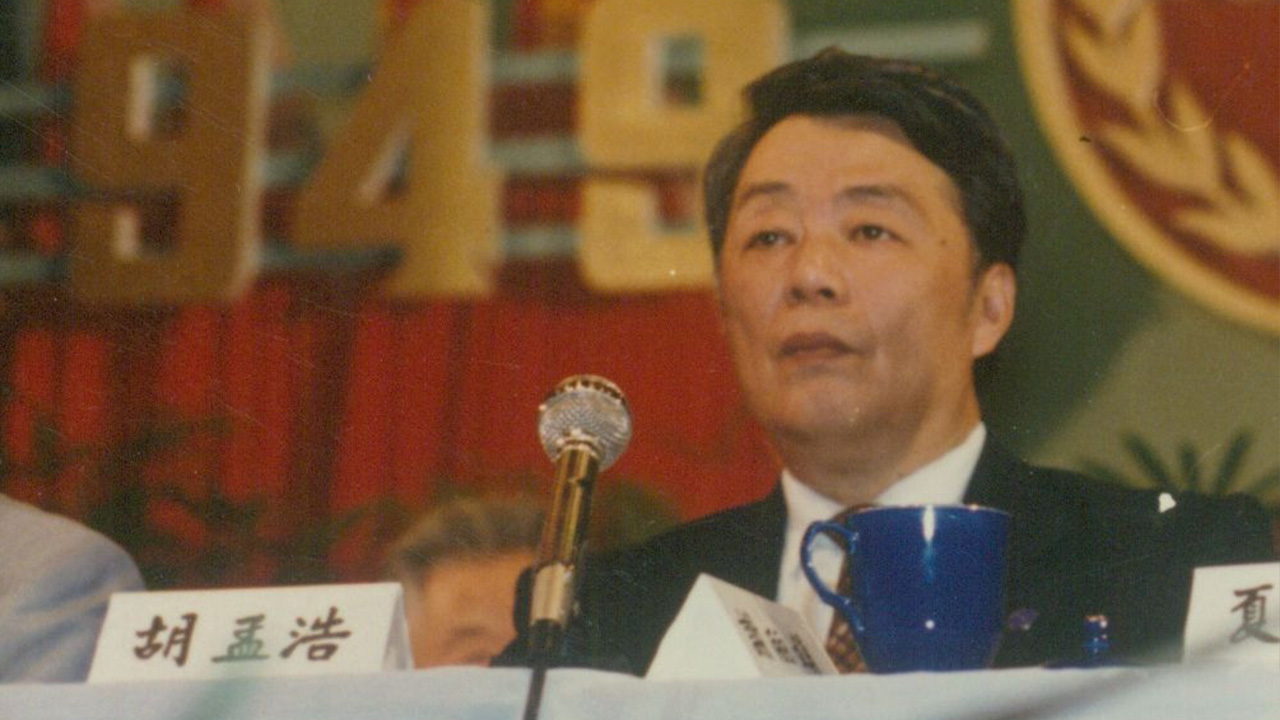
Professor Hu Menghao
Hu attended the 35th anniversary ceremony of the establishment of SISU in 1989.
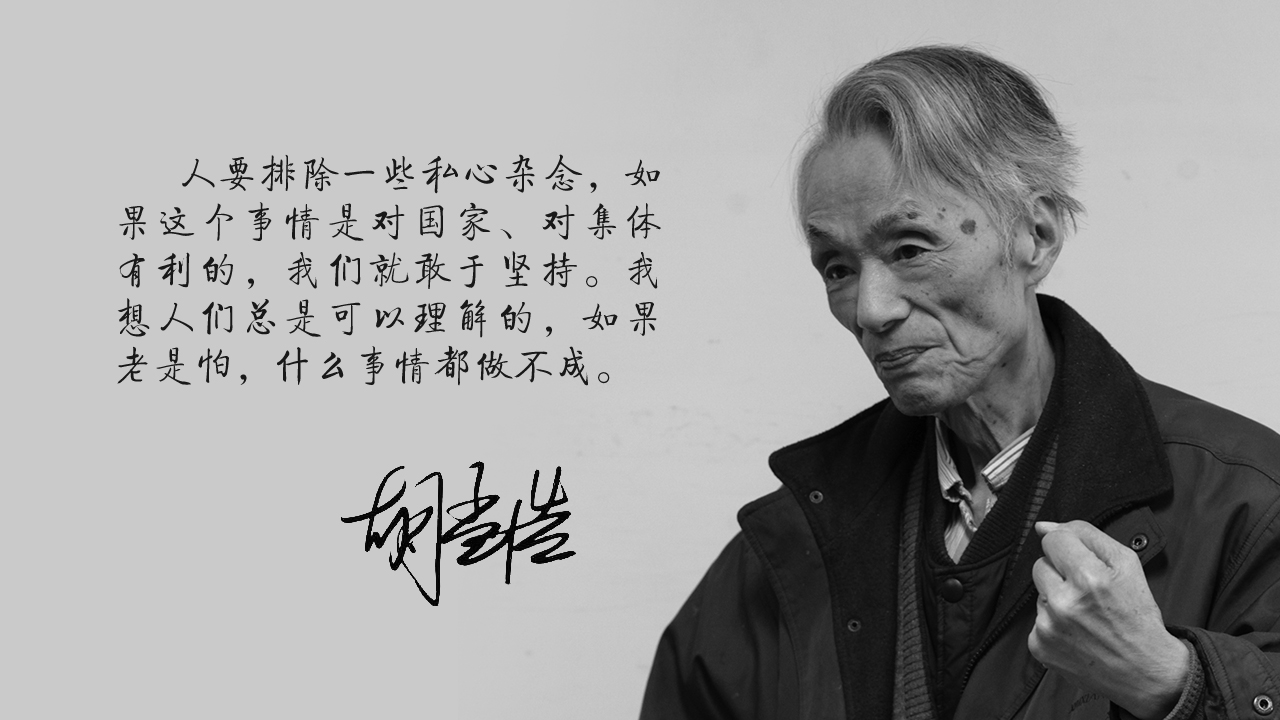
Professor Hu Menghao
“We should exclude selfish ideas and insist on making contributions to the country. nothing you can do without enough courage,” said Hu.
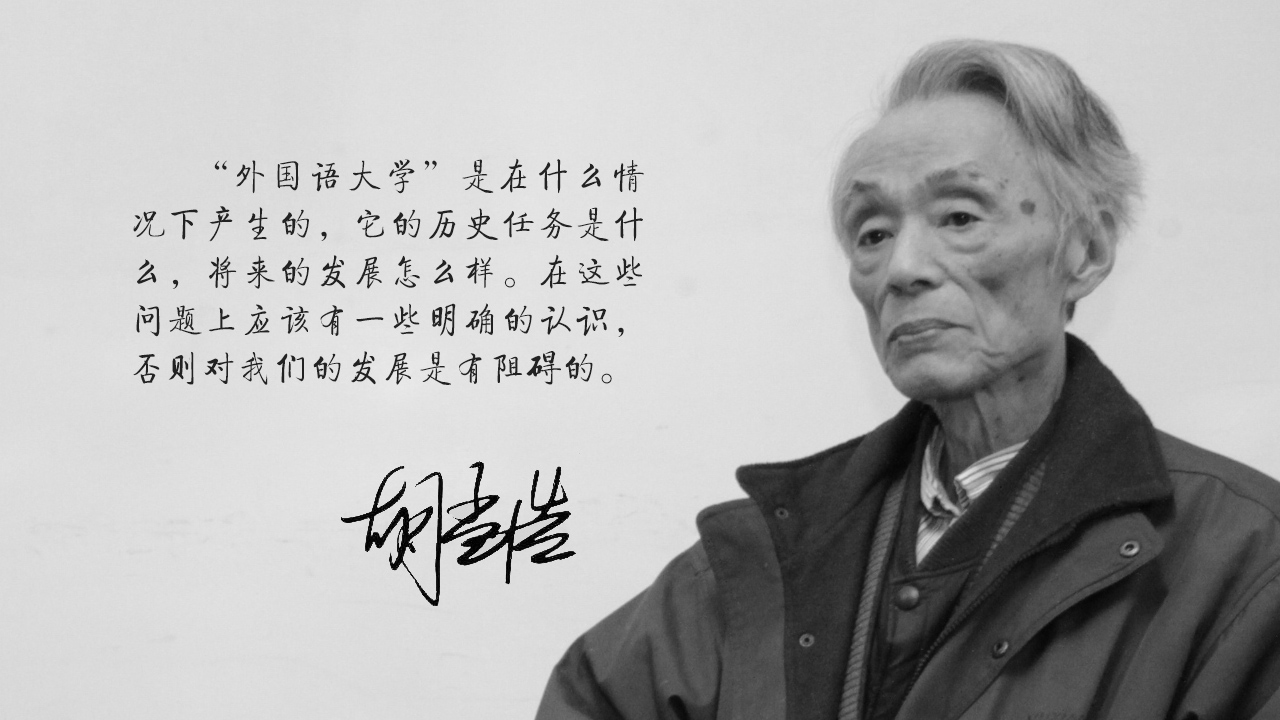
Professor Hu Menghao
“We should exclude selfish ideas and insist on making contributions to the country. nothing you can do without enough courage,” said Hu.
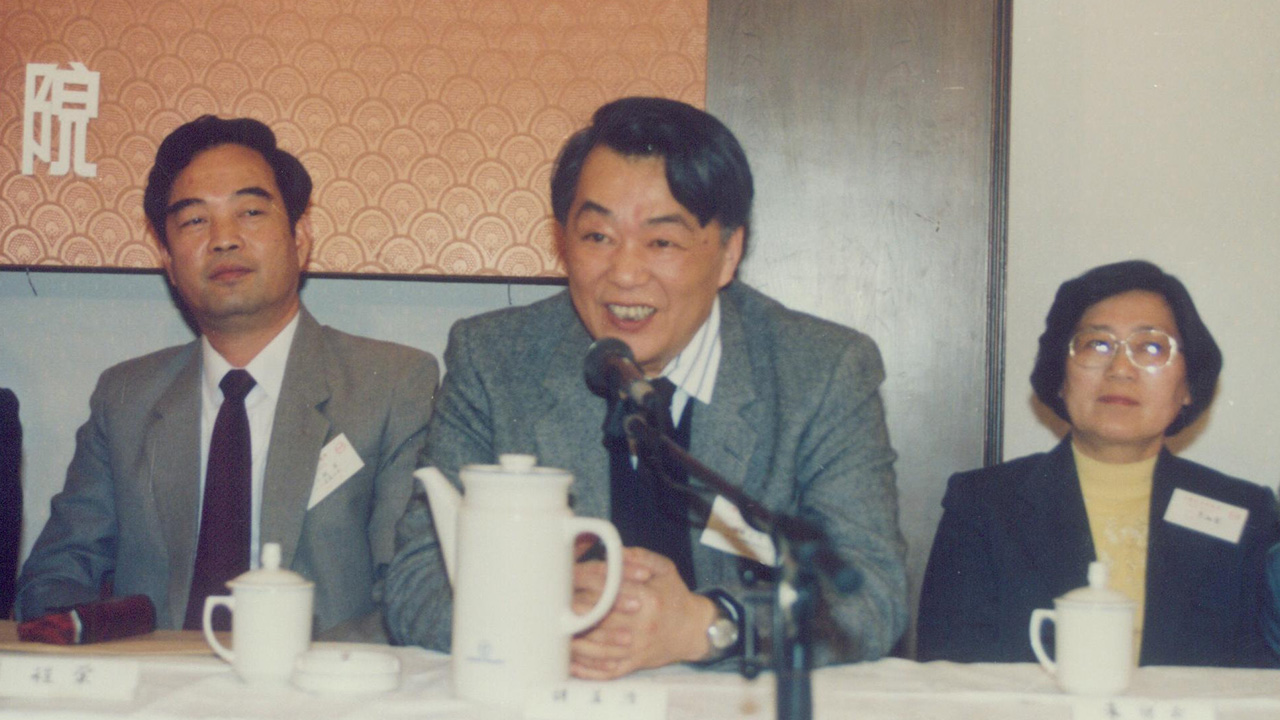
Professor Hu Menghao
Hu made a keynote speech at the International Conference on Chinese Culture and the World in 1991.
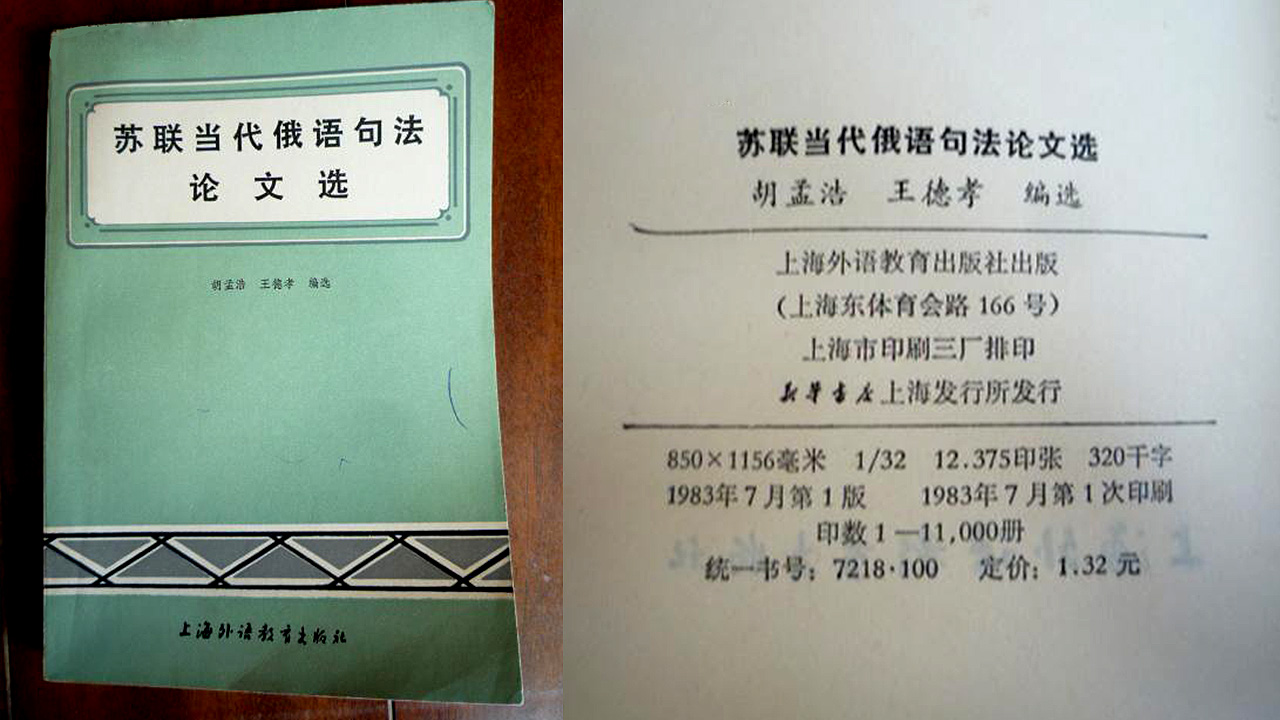
Professor Hu Menghao
As a well-known scholar of the Russian language, Hu published quite a few academic writings on Russian studies.
Born in 1927, Professor Hu Menghao served as the vice-president of Shanghai Foreign Language Institute (SFLI), the predecessor of Shanghai International Studies University (SISU), in August 1978 and then executive vice president in 1981 after the restoration of college entrance examination in 1977. Afterwards he worked as the president of SFLI from September 1982 to March 1990 in place of Professor Wang Jiyu, a widely respected Russian educator in China.
|
“ |
There are many things we can do to develop SISU,” said Hu. In his dictation on March 15th in 2013, he emphasized the importance of taking the lead in imitating inter-disciplinary degree programs among foreign studies universities.
Apart from the Pushkin prize winner of the Association of Teachers of Russian (МАПРЯЛ), Hu was also the main founder and first president of the Association of Chinese Teachers of Russian Language and Literature (ACTRLL). In addition, Hu published quite a few academic writings on Russian studies.
In September 1983, it was proposed by the government that education should be oriented to modernization, to the world and to the future. “The priority of my presidential work was choosing the direction of running the university in tune with the country’s opening and reform policies,” said Hu.
SISU was established in the same year of the founding of the People’s Republic of China as the Shanghai Russian School, initially committed to cultivating foreign studies talents in education and translation field, while under the new situation of opening up to the outside world, China's exchanges with other countries in the world in the fields of diplomacy, commerce, science and culture were becoming more and more frequently.
“We were confronted with the difficulty: foreign studies college graduates do not master professional knowledge, while the practitioners normally were not in good command of foreign languages,” said Hu. “We hoped our graduates were ambitious, virtuous, well-disciplined and literate foreign language talents who had strong competence in cross-cultural communication and knowledge or skills in certain fields above at the same time. “ As a result, academic structure in SISU was improved step by step from 1982.
In 1984, Hu made a keynote speech named Reforming Educational System and Transforming Talent Cultivation in Foreign Studies, on the 35th anniversary of the establishment of SISU. It was the first time that the theory was raised: the graduates in SISU should not only have a good command of foreign languages but also master professional understanding of relative subjects.
What’s more, he was renowned for his professionalism in Russian studies. “As a veteran of thirty years in Russian language teaching and research, I have a deep feeling for my academic career,” said Hu.
In October 1984, the Ministry of Education appointed Hu to lead China’s first educational delegation of Russian studies to Soviet Union and they finally arrived in Moscow and visited a rich array of prominent universities and academic institutions of the Soviet Union after the Great Cultural Revolution when diplomatic relations were broken off.
As a result, in August 1985, ACTRLL was admitted as a member organization of МАПРЯЛ and received the invitation to the next year’s annual general assembly held in Budapest. “We were very excited that our contact with international scholars in Russian studies was recovered after ten-year disruption.”
It’s a fact that foreign studies universities don’t exist in the United States or most European countries, but in Russia, China, Japan and Korea. “However, even in China, the mission of foreign studies universities has changed a lot during these years because our country is no longer in the initial stage for reform and opening-up,” said Hu. “Our cause needs the young generation to inherit and carry forward. It is we SISUers’ mission to promote.”
“To summarize, we should exclude selfish ideas and insist on making contributions to the country's international relations and the spread of Chinese culture. As you know, nothing you can do without enough courage,” said Hu.
SISU News Center, Office of Communications and Public Affairs
Tel : +86 (21) 3537 2378
Email : news@shisu.edu.cn
Address :550 Dalian Road (W), Shanghai 200083, China

HONGKOU CAMPUS
550 Dalian Road (W), Shanghai 200083, China
SONGJIANG CAMPUS
1550 Wenxiang Road, Shanghai 201620, China
© Shanghai International Studies University | SISU | 上海外国语大学