
Tang Xianzu and Shakespeare
Tang Xianzu is the most gifted playwright of the Ming dynasty, best-known for his masterpiece Mudan Ting [The Peony Pavilion].
SISU News Center, Office of Communications and Public Affairs
Tel : +86 (21) 3537 2378
Email : news@shisu.edu.cn
Address :550 Dalian Road (W), Shanghai 200083, China
03 November 2015 | By Tan Rui, Shi Chenlu, Karen Lynn Gill and Gu Yiqing | SISU
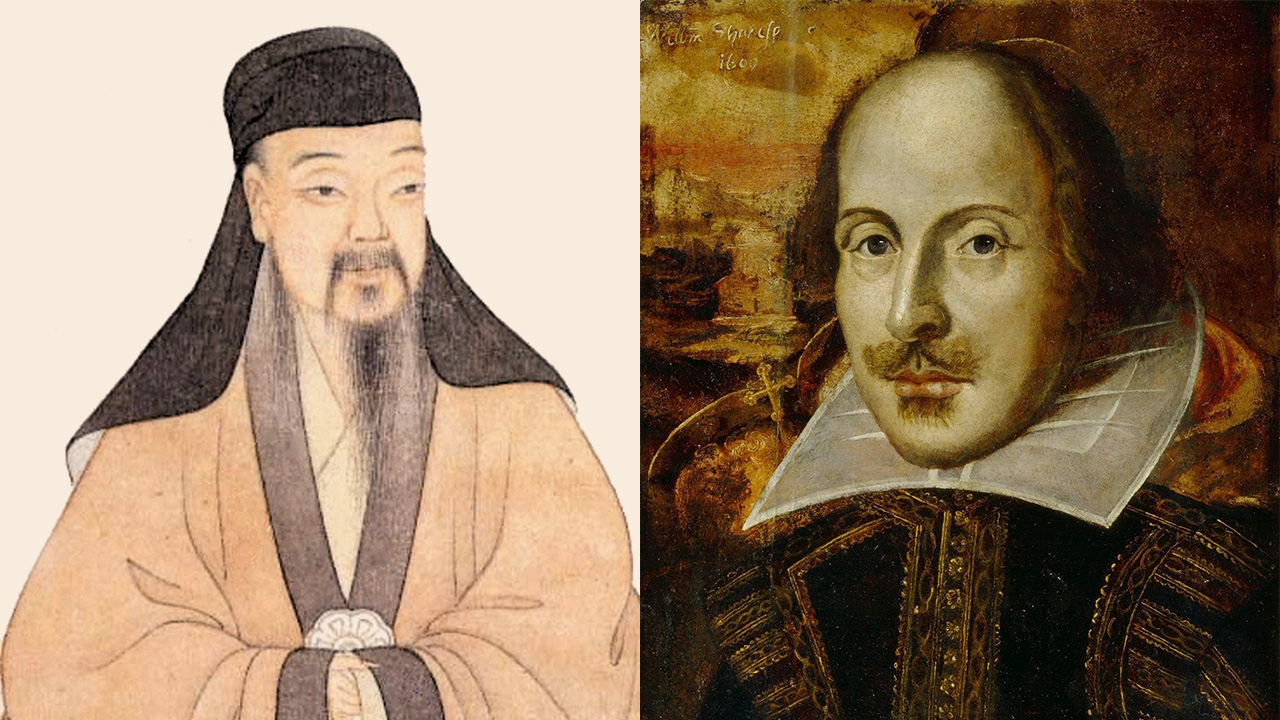
Tang Xianzu and Shakespeare
Tang Xianzu is the most gifted playwright of the Ming dynasty, best-known for his masterpiece Mudan Ting [The Peony Pavilion].
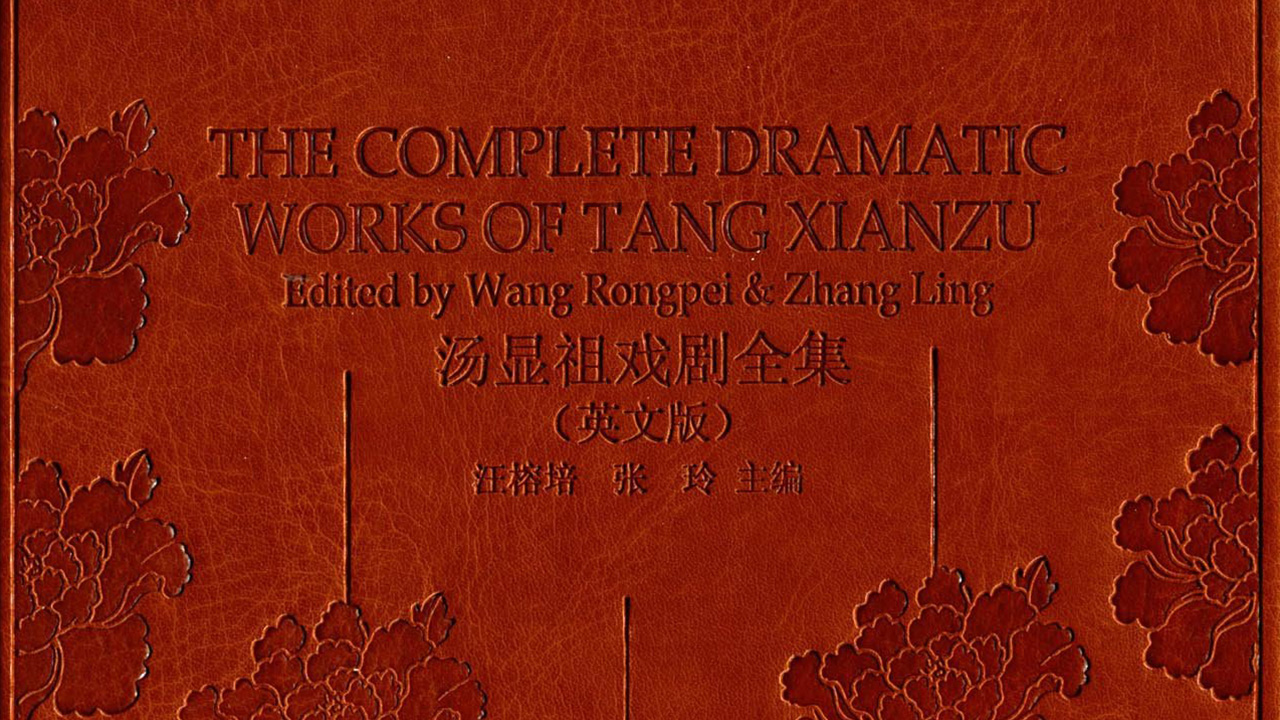
Translating Tang Xianzu
SISU alumnus Wang Rongpei has translated the Complete Dramatic Works of Tang Xianzu.
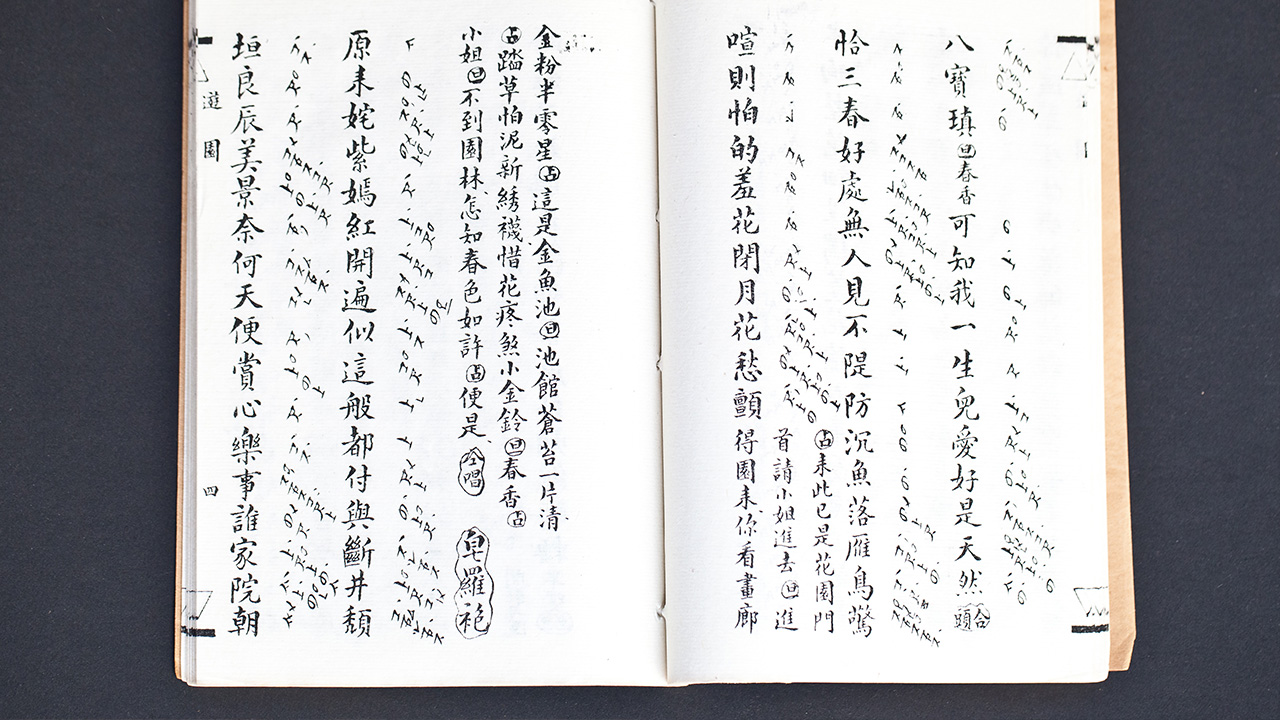
The Peony Pavilion
First performed in 1598, The Peony Pavilion, adapted from a work by Tang Xianzu, is a cornerstone of the Kun opera repertory. [Harvard]
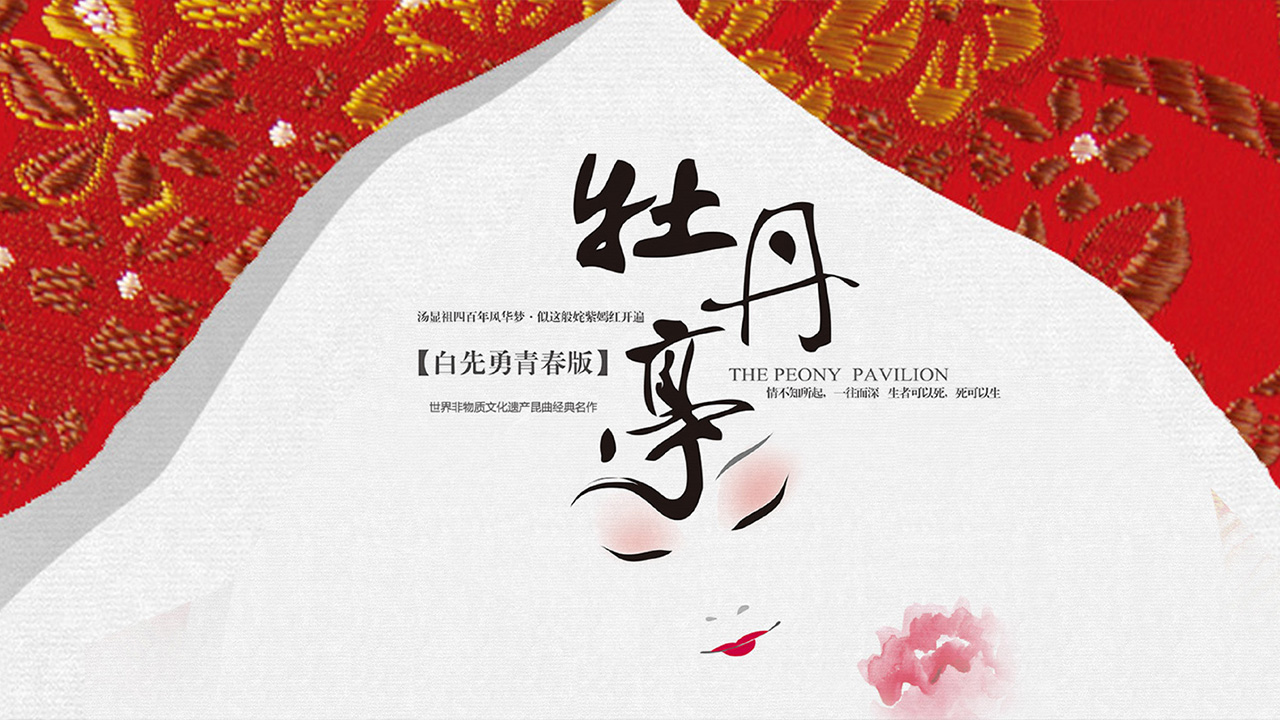
The Peony Pavilion
"The Peony Pavilion" is based on a traditional Chinese story that has been compared to Shakesopeare's "Romeo and Juliet".
|
E |
xpressing his wishes for more frequent and efficient cultural communication, China’s President Xi began a speech in the U.K. in October with the quotation of Shakespeare.
Shanghai International Studies University (SISU) alumnus Wang Rongpei, a specialist in translation of Chinese classical literature, finds that fitting.
“William Shakespeare and Tang Xianzu’s literature compositions both have worldwide value,” Wang said.
Now a professor at Suzhou University, Rongpei has a leading role in translating Tang Xianzu’s compositions. His translation of “The Complete Dramatic Works of Tang Xianzu” is the only authoritative version of Tang’s composition up to now. It was published by Shanghai Foreign Language Educational Press, an affiliate of SISU, last year.
Next year marks the 400th anniversary of the death of Tang and Shakespeare. Memorial activities are already being planned. In Fuzhou, Jiangxi province, China, the hometown of Tang, and Straford, U.K., the hometown of Shakespeare, people have started exchange visits.
“Shakespeare and Tang Xianzu have a lot of similarities between literature creation and compositions, though they had no connection or communication with each other at all,” said Wang. “Both of them are firm humanists and pay great attention to the life of ordinary people.”
According to Wang, Tang shows great concern about folks’ lives and creates literature built on their real experiences, while Shakespeare is widely seen as a symbol of the Renaissance.
All of their works are based on their respective ethnic groups. For example, Huo Xiaoyu, the main character of Tang’s “Purple Flute,” was an actual man in the Tang Dynasty. As for Shakespeare, nearly all the characters in his works have a prototype.
In addition, Tang and Shakespeare are romantic writers. The two writers add literary imagination and embellishment, while, putting value on worldwide cultural communication, Wang said.
“Cultural exchange, including literary field, has a long and glorious history, and at the same time, it predicts a deeper communication and brighter future,” said President Xi.
According to the China-U.K. cultural communication plan, both sides will promote cooperation in literature, music, film and television fields.
SISU News Center, Office of Communications and Public Affairs
Tel : +86 (21) 3537 2378
Email : news@shisu.edu.cn
Address :550 Dalian Road (W), Shanghai 200083, China

HONGKOU CAMPUS
550 Dalian Road (W), Shanghai 200083, China
SONGJIANG CAMPUS
1550 Wenxiang Road, Shanghai 201620, China
© Shanghai International Studies University | SISU | 上海外国语大学